
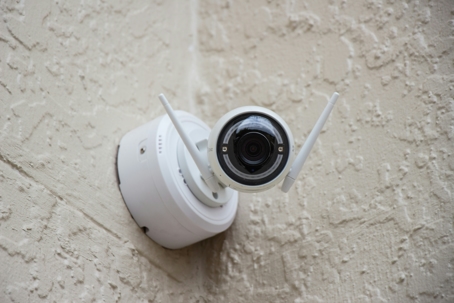
Florida homeowners are paying some of the highest insurance premiums in the country, and many are watching those costs climb every renewal. If you are already thinking about upgrading your security with cameras or a full system, it is natural to hope that investment might finally bring your insurance bill down. The question is how much security cameras really matter to insurance companies, especially here in Florida.
Rising premiums, hurricane risk, and concern about burglary or package theft all come together in one decision about whether to add or upgrade a security system. Homeowners in Jacksonville and across the state are asking the same thing. Will cameras help with insurance, or are they “nice to have” gadgets that only add cost?
Since 2008, Tison Inc. has been designing and installing security and automation systems across Florida homes and businesses. We see every day how insurers respond to different types of setups and how cameras help during real claims. In this guide, we share how Florida insurers usually look at security cameras, which features can support potential discounts, and how to set up a system that actually works for your home instead of relying on marketing promises.
Why Florida Homeowners Ask About Security Cameras & Insurance
Homeowners throughout Florida know their insurance situation is different from most other states. Between hurricane exposure, higher rebuilding costs, and a property insurance market that can feel unstable, many families are dealing with premiums that strain the household budget. When you are already paying more than friends or relatives in other states, it makes sense to look for every legitimate way to reduce risk and possibly lower that bill.
At the same time, property crime worries have not gone away. Jacksonville neighborhoods and other Florida cities see porch package thefts, car break-ins, and attempted burglaries that often show up caught on someone’s doorbell camera. It is easy to connect the dots and assume that visible cameras, or a smart doorbell, will automatically make insurers happy and trigger a discount on your policy.
The reality tends to be more nuanced. Some Florida insurers do offer credits for security systems, but they rarely treat a single camera the same way they treat a professionally installed, monitored system. That nuance is usually missing from quick online answers. As a company that has spent more than 15 years installing cameras and security systems across Florida, we have seen how these expectations play out in real renewals and claim situations. Understanding the difference between perception and practice is the first step to making a smart decision about cameras and insurance.
How Florida Insurers Typically View Security Cameras
Insurance companies, in Florida and elsewhere, price policies around risk. Anything that can reliably reduce the chance or severity of a loss, such as fire sprinklers or a monitored burglary alarm, may qualify as a protective device in the insurer’s rating system. In many policies, that category can unlock small percentage discounts, especially when the device runs continuously and can trigger a response.
Security cameras can contribute to risk reduction, but insurers usually draw a line between cameras that simply let you see an event after the fact and systems that actively alert a central monitoring station. A simple Wi‑Fi camera that only sends motion alerts to your phone is typically viewed as self-monitored. In contrast, a professionally installed system that includes door and window sensors, motion detectors, and cameras, all tied into a 24/7 monitoring center, fits the classic monitored alarm profile many insurers recognize.
In practice, many carriers list monitored burglary alarms and fire alarms as discount-eligible protective devices. Some also recognize comprehensive security systems that include cameras as part of that package. A standalone camera, such as a single doorbell unit, may not appear on the list at all. That does not mean cameras have no value. It means that from an insurer’s perspective, cameras alone can be harder to treat as a guaranteed risk reduction when they do not trigger a third-party response.
Programs and rules vary between insurers and even between policy types. One company may group a camera-equipped, monitored system under a general security credit, while another may only recognize central fire alarms and burglar alarms. Since Tison Inc. designs systems across Florida, we routinely see homeowners presenting installation and monitoring documentation to their insurers and hearing different answers. The pattern is clear though. The more verifiable and continuously monitored the system, the more likely it is to be treated as a protective device.
Can Security Cameras Lower Your Home Insurance in Florida?
In some situations, security cameras can play a role in lowering what you pay for homeowners insurance in Florida, but usually as part of a broader security setup rather than as a stand-alone gadget. Many insurers in high-risk states offer modest percentage discounts for monitored burglary and fire systems. Cameras that are integrated into those systems may help demonstrate that your property is better protected overall.
For example, an insurer might offer a small discount on the base premium when you have a central-station monitored burglary alarm, often in the single-digit percentage range. Some carriers layer fire alarm discounts on top of that. A system that includes professionally installed cameras, door and window sensors, and 24/7 monitoring fits the spirit of these programs far more than one or two cameras that only alert your phone. However, every insurer has its own rules, so you should always confirm details with your carrier rather than assume.
Standalone cameras, including many popular DIY and smart doorbell units, often bring smaller or no direct premium reductions. That does not mean they are a bad investment. Cameras can deter opportunistic thieves, make it easier to identify suspects, and help you and law enforcement respond quickly to suspicious activity. Even if your insurer does not apply a specific camera-related credit, reducing the likelihood or cost of a theft still protects your wallet.
There is also the claims side to consider. When a break-in, vandalism, or porch theft happens, clear video footage can support your story, show exactly what was taken or damaged, and establish a timeline. This can help claim handling move faster and reduce disputes over what occurred. In a challenging insurance market like Florida’s, that smoother process can be worth as much as a small discount. At Tison Inc., we design systems with both potential discount eligibility and real-world protection in mind, so homeowners are not relying on one benefit alone.
What Features Make a Security System More Attractive to Insurers
If your goal is to build a security setup that insurers are more likely to see as a genuine risk reduction, it helps to understand which features matter most. Insurers tend to value systems that are always on, professionally monitored, and capable of triggering a clear response. This is where a full security system often stands apart from a collection of basic cameras.
From an insurer’s point of view, 24/7 professional monitoring is a key differentiator. A monitored system routes alarms to a central station that can verify an event and contact emergency services, even when you are away or your phone battery is dead. Many Florida carriers explicitly ask whether your burglary or fire alarm is monitored before they apply any protective device credit. When cameras are integrated with that monitored system, they add context and verification to those alerts.
Camera-specific capabilities also matter. Continuous or event-triggered recording creates a record that you can share with law enforcement and insurers during a claim. Secure offsite storage, whether cloud or network-based, helps preserve footage even if a camera is damaged or stolen. Features like night vision, wide dynamic range, and high resolution improve the usable quality of that footage. Strategic placement at entry points, the driveway, and other vulnerable areas helps ensure the camera actually captures what happened instead of leaving blind spots.
Professional installation ties these elements together. A system installed and configured by licensed and insured technicians is more likely to have reliable power backups, properly positioned equipment, and a clean network setup. This reliability matters for day-to-day protection and for insurance purposes. Tison Inc. uses advanced security and surveillance equipment and follows consistent installation standards, which means your system is built to perform, not just to look good in an app screenshot.
Insurers may not ask about every technical detail, such as lens type or frame rate, but those details affect how well the system works in an actual incident. When a claim adjuster reviews your documentation and sees that you have a monitored system with professionally installed cameras that clearly capture the event, it sends a strong signal that you take protecting your property seriously. That combination has far more impact than a single, poorly placed DIY camera that sometimes loses Wi‑Fi.
How To Talk To Your Insurer About Security Cameras & Discounts
The most reliable way to know whether your security cameras or full system can reduce your premium is to ask your insurer specific, focused questions. A quick, vague question such as asking if they “give discounts for cameras” often leads to a vague answer. Instead, you want to understand exactly which protective devices your policy recognizes and what proof your insurer needs to apply a credit.
Before you install or upgrade, call your agent or carrier and ask about several points. Ask whether they offer discounts for centrally monitored burglary alarms, fire alarms, or integrated security systems. Ask if adding video surveillance to a monitored system changes how they classify your home’s protection. Clarify whether self-monitored devices, like app-only cameras, qualify for any credit at all. You can also check if there are different levels of discount based on the type of monitoring.
Documentation is another key piece of the puzzle. Many insurers want proof that your system was installed, is active, and, when applicable, is monitored by a central station. That proof might include an installation summary, system specifications, and a monitoring agreement. Tison Inc. can provide homeowners with clear information about the equipment installed, the areas covered, and the type of monitoring in place, which makes it easier to complete any insurer forms or online questionnaires.
If you are shopping for a new policy, compare how different insurers treat security and automation. Some may promote specific protective device programs, while others may quietly factor those features into overall pricing. Having a clear picture of your current or planned system lets you give consistent, accurate information across quotes. When your system is professionally designed and documented, it becomes a real asset in those conversations, not just a line item you hope will help.
Real-World Ways Security Cameras Help Florida Homeowners
Even when the insurance discount for security systems is modest, cameras can deliver value every day for Florida homeowners. In many Jacksonville neighborhoods, for example, visible cameras at the front door and driveway discourage quick-hit crimes like stealing packages, checking car handles, or grabbing bicycles. People who commit these opportunistic acts often prefer streets without any obvious surveillance.
When incidents do occur, good footage changes the situation. A porch camera that clearly shows a package being taken can help you and the police identify a suspect and can back up your claim with the retailer or your insurer if you carry coverage that applies. Cameras covering entry points and interior common areas can reveal exactly when a break-in happened, which doors or windows were forced, and which items were removed or damaged. This detail can reduce back-and-forth questioning and disputes about the scope of loss.
Cameras become even more powerful when integrated with smart home features. Motion-triggered lighting, smart locks, and mobile alerts let you respond quickly to unusual activity. For example, you might see someone repeatedly approaching your door and use two-way audio to ask what they need, or turn on additional lights remotely. In combination, these features can reduce the length and impact of an event, which matters just as much as whether your insurer offers a formal discount.
Because Tison Inc. serves multiple Florida cities, we encounter a wide range of local risk patterns, from coastal vacation properties that sit vacant for part of the year to busy suburban homes where deliveries arrive daily. We design camera and automation setups around how those homes are actually used. That kind of tailoring helps ensure the system you invest in fits your daily routines while still giving you clear, usable evidence if you ever have to file a claim.
Choosing the Right Security Camera Setup for Your Florida Home
Once you understand how insurers tend to view security systems, the next step is deciding what kind of setup makes sense for your home, budget, and risk tolerance. On one end of the spectrum, you have a couple of DIY cameras or a smart doorbell that you install yourself. On the other end, you have a professionally installed system with multiple cameras, door and window sensors, motion detectors, smart locks, and optional 24/7 monitoring.
Minimal setups often cost less up front and still provide some deterrence and awareness, particularly at a single entrance. However, they rarely qualify as protective devices in an insurer’s rating system, and they can leave significant blind spots. More comprehensive systems require a larger initial investment, but they can deliver broader coverage, stronger deterrence, and a better chance of qualifying for security-related discounts, especially when professionally monitored.
When planning coverage, most Florida homeowners should prioritize the front door, driveway or carport, and main ground-floor entry points. These areas are where deliveries arrive, vehicles sit, and intruders most often approach. From there, you can extend coverage to side doors, back patios, and key interior spaces such as hallways or open living areas. The goal is to build a network of views that captures how someone would realistically move around your property.
Working with a professional installer helps you balance all of these factors. Tison Inc. offers free estimates, flexible financing, and comprehensive warranties, which makes a more capable system attainable for many households instead of limiting them to the most basic option. During a consultation, we look at your home’s layout, talk through your concerns, and design a security and camera setup that supports your everyday life, your insurance conversations, and your long-term peace of mind.
Protect Your Florida Home With A System Designed For Security & Insurance Benefits
Security cameras alone are not a magic switch that cuts your Florida home insurance bill in half, but they are an important part of a broader strategy to reduce risk and make your home easier to insure. When cameras are integrated into a thoughtfully designed system with professional installation and, when appropriate, central monitoring, they can support potential discounts, deter everyday crime, and provide clear evidence if you ever need to file a claim.
Every insurer and every property handles these factors a little differently, which is why the most effective approach is to pair clear questions for your insurer with a security system tailored to your home. Tison Inc. can design, install, and document advanced security and camera solutions across Florida so you walk into those insurance conversations prepared.
To explore the right setup for your Jacksonville home or any property in our service area, contact us today (904) 590-7979